
Can you really beat the house edge in gambling?
Understanding the House Edge
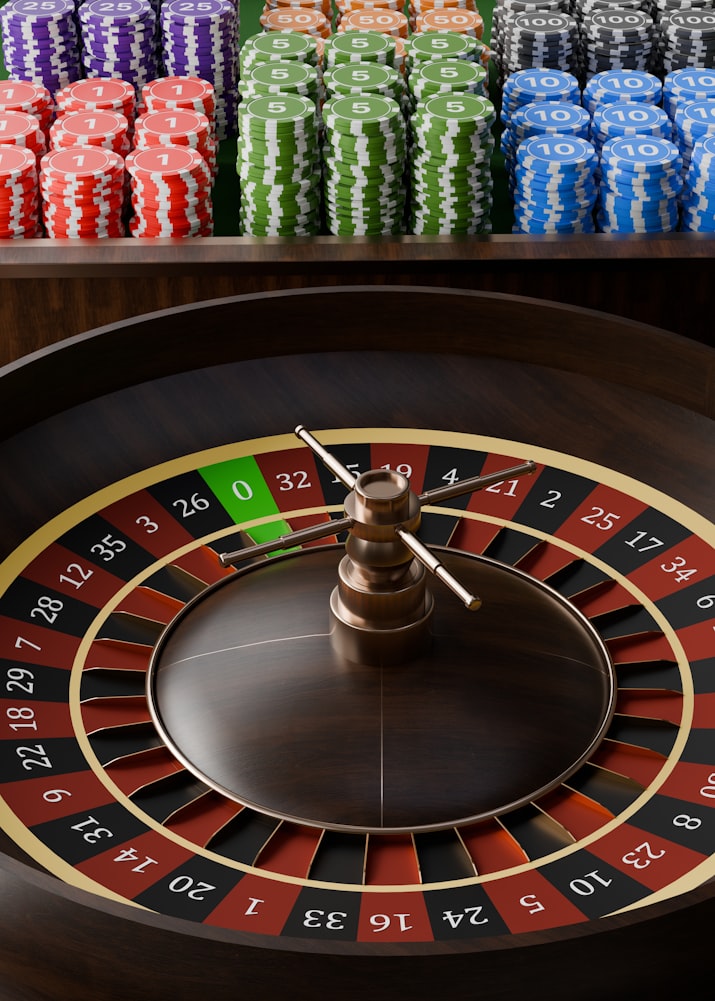
The house edge is a fundamental concept in gambling that refers to the statistical advantage that casinos possess over players in various games. This advantage ensures that, over time, the casino will generate profits regardless of individual wins or losses experienced by players. For example, in a game like roulette, the house edge is inherently built into the odds, meaning that players, on average, will lose more frequently than they win. Many enthusiasts seek the best online casino platforms to enhance their understanding, as understanding the mechanics of the house edge is essential for anyone who wishes to approach gambling with a strategic mindset.
The house edge varies significantly across different types of games. For instance, traditional slot machines typically have a higher house edge, which can range from 5% to 15%, depending on the specific machine and its payout structure. Conversely, games such as blackjack can offer a much lower house edge, sometimes as low as 1% when players utilize optimal strategies. This variance means that players must carefully select the games they choose to play if they hope to improve their odds and minimize the house’s advantage over the long haul.
It is crucial to understand that the house edge is not a static figure; it can be influenced by various factors such as game rules, player decisions, and betting strategies. Players who invest time in learning the nuances of a game, understanding optimal play strategies, and managing their bankroll effectively can reduce the impact of the house edge. However, it is vital to acknowledge that even the most skilled players cannot entirely eliminate the house advantage, as it is an inherent aspect of the gambling landscape.
Strategies to Minimize the House Edge
While the house edge is a built-in advantage for casinos, there are several strategies that players can employ to mitigate its impact. One of the most effective methods is to become well-versed in the rules and optimal strategies for specific games. For example, in blackjack, players can utilize basic strategy charts that provide guidance on the best times to hit, stand, or double down based on their hand and the dealer’s upcard. By implementing these strategies, players can significantly lower the house edge, thereby increasing their chances of winning.
Another strategy involves selecting games with the lowest house edges available. As previously mentioned, games such as blackjack, baccarat, and certain variations of video poker often present better odds for players. This means that those willing to invest their time in mastering these games can potentially enjoy more favorable outcomes than those who choose higher house edge games like slots or keno. Making informed decisions about which games to play can tilt the odds slightly more in favor of the player.

Additionally, effective bankroll management is a crucial aspect of gambling strategy. By carefully managing your gambling budget, you can extend your playing time and minimize potential losses. It is essential to set clear limits on how much you are willing to lose before embarking on a gambling session and adhere strictly to those limits. Furthermore, choosing to play at times when you are mentally sharp can enhance your decision-making, allowing you to maintain better control over your gameplay and further minimize the house edge.
The Role of Skill in Beating the House Edge
Skill plays a pivotal role in certain gambling games, particularly those that incorporate elements of strategy, such as poker and blackjack. In these games, players who dedicate time to honing their skills can potentially overcome the house edge by making more educated gameplay decisions and capitalizing on the mistakes of their opponents. For instance, in poker, adept players can use their understanding of probability and psychology to outmaneuver less experienced rivals, effectively turning the tables on the house.
However, not all games are influenced by skill. Purely chance-based games, such as slot machines or roulette, offer little opportunity for player skill to impact outcomes. In these cases, the house edge remains constant, irrespective of the player’s experience or strategy. Aspiring gamblers should therefore evaluate their strengths and preferences when selecting games. For those who possess the ability to learn and adapt, skill-based games may prove more rewarding in the long run.
Ultimately, it is crucial to recognize that while mastering games and employing effective strategies can reduce the house edge, doing so does not guarantee consistent winnings. Experienced and skilled players may achieve temporary success, but the inherent statistical nature of gambling ensures that the house will always maintain its edge over time. It becomes a delicate balancing act of minimizing losses while deriving enjoyment from the game, all the while accepting that some outcomes are simply beyond one’s control.
The Psychological Aspect of Gambling
The psychological dimensions of gambling are equally significant when considering the house edge. Many players fall victim to cognitive biases and emotional decision-making, which can negatively impact their gambling experience. For example, the illusion of control leads some players to believe they can influence outcomes in games of chance. This mindset can result in chasing losses or increasing bets in a futile attempt to recover lost funds, thereby exacerbating the house’s advantage.
Moreover, gamblers often experience exhilaration and euphoria during winning streaks, which can cloud their judgment. This heightened emotional state can compel players to take unnecessary risks or abandon strategies that have proven effective in the past. Recognizing these psychological pitfalls is essential for anyone serious about minimizing the house edge. A level-headed approach to gambling supports making rational decisions and adhering to successful strategies, which can lead to a more favorable gambling experience.
Additionally, understanding the psychological triggers that casinos employ to keep players engaged can also benefit those seeking to minimize the house edge. From the design of the games to the ambiance of the gaming environment, these elements are carefully crafted to enhance player experience while encouraging longer play times. By being aware of these strategies, players can better manage their time and expenditures, ultimately reducing the overall impact of the house edge on their gambling experience.
Your Resource for Informed Gambling
As you embark on your gambling journey, having access to trustworthy information and resources can significantly enhance your overall experience. Reputable gambling websites offer valuable insights into a variety of games, strategies, and tips that help you comprehend the intricacies of each game. They also provide guidance on effective bankroll management and the psychological aspects of gambling, equipping you with the knowledge necessary to make informed decisions and navigate the complexities of the gambling world.
These resources often feature articles authored by experts with extensive knowledge of the gambling industry. Learning from their experiences can deepen your understanding of the nuances associated with different games and how to approach them in a manner that mitigates the house edge. Engaging with these platforms can cultivate a supportive community where you can share experiences and strategies, further enhancing your gambling knowledge and skills.
In conclusion, while it is inherently challenging to completely beat the house edge in gambling, being informed and strategic can significantly improve your overall experience and potentially increase your chances of success. By grasping the concept of the house edge, employing effective strategies, acknowledging psychological factors, and utilizing credible resources, you can embark on a more fulfilling and hopefully, more profitable gambling journey.