
Roulette Basket Bet Explained for Aussie Punters Looking to Stretch Their Play
If you’ve spent any arvo watching a wheel spin on the Gold Coast, you’ll know the roulette basket bet explained properly is the sort of thing that separates a casual punt from a calculated one. I’ve managed country operations for a major bookmaker and later ran performance marketing for Aussie affiliates, so I’ve seen how a single bet type can quietly shape a player’s whole session. Here’s what actually matters when you’re weighing up that corner square on the felt.
How the Basket Bet Fits Into a Real Session

The basket bet is the five-number corner that sits on 0, 1, 2 and the two neighbouring slots depending on your wheel layout, and it pays out at a steeper rate than a straight-up because it covers less of the table. In my Unibet country-management days, I watched players treat that little square like a shortcut, then wonder why the edge still leaned against them over a long night. The maths doesn’t care how you feel about a hot streak, and I’ve seen affiliate campaigns overpromise on “smart coverage” when the reality is just a different way to spread a chip. If you’re testing a new platform, you can spin up a quick session on the le bandit demo to see how the layout feels before you put real cash on the felt. The point isn’t to chase a miracle; it’s to understand where that five-number slice sits in your overall staking plan.
That instinct to chase a quick win often ignores how the house advantage compounds over time, regardless of the bet spread. If you want to see how those odds play out without risking real cash, you can try the le bandit demo at https://lebanditdemoau.com/. It offers a safe environment to observe the wheel’s behavior before committing any funds.
Step-by-Step Guide for Beginners Who Want to Have a Punt Without Blowing the Budget
Work out your wheel first. European and French layouts treat the zero differently, and the basket’s exact neighbours shift depending on whether you’re playing a single-zero table or a double-zero setup. Check the felt, count the pockets, and don’t assume the corner square is identical everywhere you sit down.
Decide what the basket is actually doing for you. If you’re after a slightly higher payout than an outside bet while still covering a small cluster, the five-number square can fit that gap. If you’re trying to cover half the table, you’re better off with a different split or a dozen, because the basket’s job is narrow coverage, not broad insurance.
Set a session limit before you place the first chip. I’ve managed affiliate channels where players arrived with a vague idea of “having a punt” and left because they never drew a line in the sand. Write down a loss ceiling and a walk-away target, then stick to them like you would a mate’s tab at a pub.
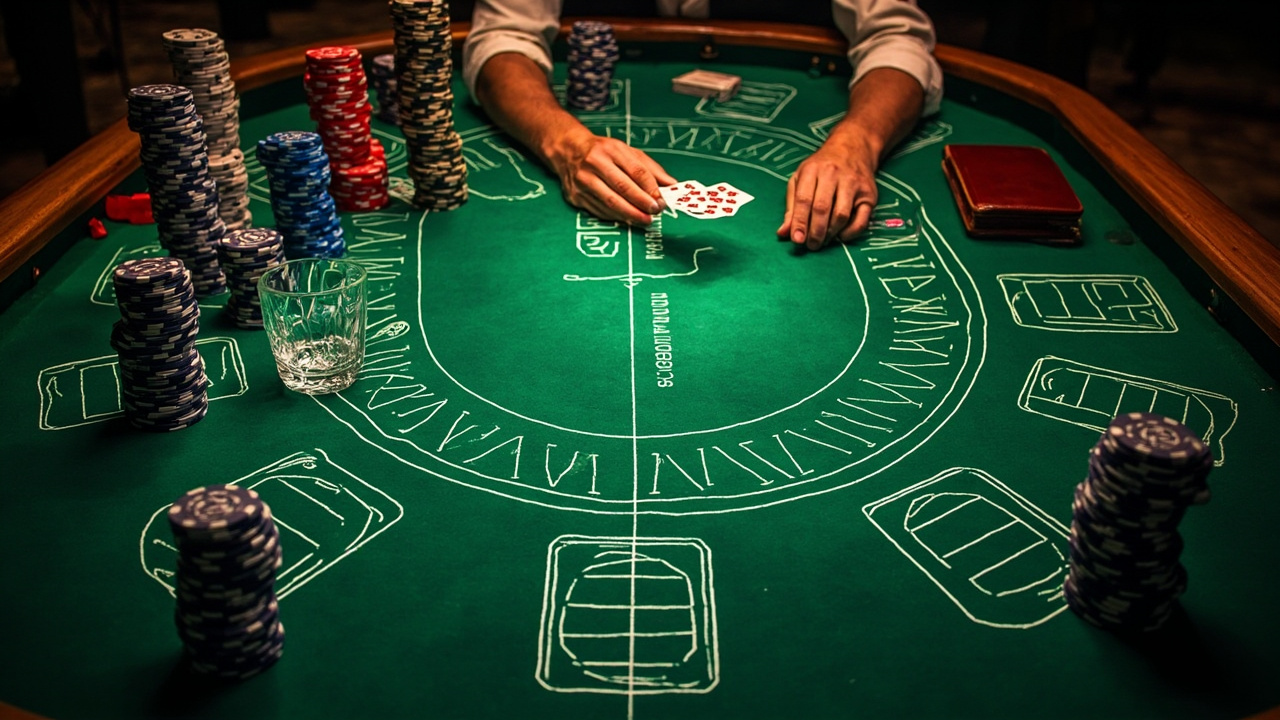
Track a few spins, not just the wins. A short run of green hits can feel like the wheel’s favouring you, but Charlotte Phillips, Head of Operator Partnerships, Murray River Gaming Research, has pointed out that short-session patterns rarely tell you anything useful about long-term expectancy. Log a handful of outcomes, note how the basket behaves against your staking rhythm, and adjust the size of your next chip rather than changing the bet type on a whim.
Know when to step back. If the table’s busy as a Saturday night on the Gold Coast and the pace is pushing you to chase, that’s your cue to slow down or switch to a slower outside bet. The basket isn’t a rescue plan; it’s just another way to place a chip, and it works best when you’ve already decided what you’re trying to do with it.
Matching the Basket to How You Actually Play
Some punters use the basket as a low-frequency spice in an otherwise outside-bet session, dropping a small chip on the corner when they want a slightly juicier return without abandoning their usual rhythm. Others lean on it when they’re playing a European table and want to acknowledge the zero without going all-in on a straight-up. The recurring value after any welcome offer matters more than the first spin, because promos that disappear after a fortnight don’t keep you coming back when the bonus code expires. I’ve seen operators keep players through cashback on bad runs, loyalty tiers that quietly boost your comps, and tournaments that give a regular session a reason to show up on a Tuesday arvo. If a platform’s repeat-play reasons are thin, the basket bet won’t save it; if the loyalty loop is solid, that five-number square becomes just one tool in a longer relationship. No offshore casino is licensed or regulated in Australia, so treat every site as an overseas operator and check what they actually offer beyond the sign-up noise.
What to Look For Before You Put a Chip Down
A sensible roulette basket bet explained read should leave you knowing the bet’s shape, its payout, and where it sits in your session plan, not just where to click on a screen. Check the wheel type, confirm the exact numbers covered, and make sure the table’s stakes match what you meant to play. If you’re comparing operators, look at how they handle ongoing promos, cashback, and loyalty rewards rather than just the first deposit offer, because that’s what keeps a regular player around after the welcome period fades. When the layout, the limits, and the repeat-play reasons line up with how you actually like to play, the basket becomes a straightforward option instead of a mystery square.
If the five-number corner fits your staking plan and the operator’s loyalty loop gives you a reason to return, it’s a workable bet for a session that’s meant to last. If you’re chasing a shortcut or expecting the basket to tilt the edge your way, you’ll be better off treating it like any other chip and moving on visit the author’s site when the table isn’t doing what you expected.
Glossary
- Basket bet: a five-number roulette wager covering a small corner cluster that includes zero and its neighbours.
- Have a punt: Aussie slang for placing a bet.
- Outside bet: a wager on a broader category like red/black, odd/even, or a dozen.
- Session limit: a pre-set ceiling for losses or a target for walking away during one playing session.